Seismic activity, or the shaking of the ground caused by the movement of tectonic plates beneath the Earth’s surface, is a natural phenomenon that can have devastating effects on buildings and structures. To combat the potential damage caused by earthquakes, engineers and architects use various techniques to strengthen buildings and make them more resistant to seismic activity. One such technique is bracing seismic, which involves the use of braces to support and stabilize a structure during an earthquake. In this article, we will take a closer look at bracing seismic and explore how it works to protect buildings from seismic damage.
bracing seismic is a common method used to enhance the seismic performance of buildings and structures. The primary goal of bracing seismic is to provide lateral support to a structure, preventing it from collapsing or sustaining severe damage during an earthquake. Braces are typically made of steel or other durable materials and are strategically placed throughout a building to distribute seismic forces evenly and reduce the overall impact of an earthquake.
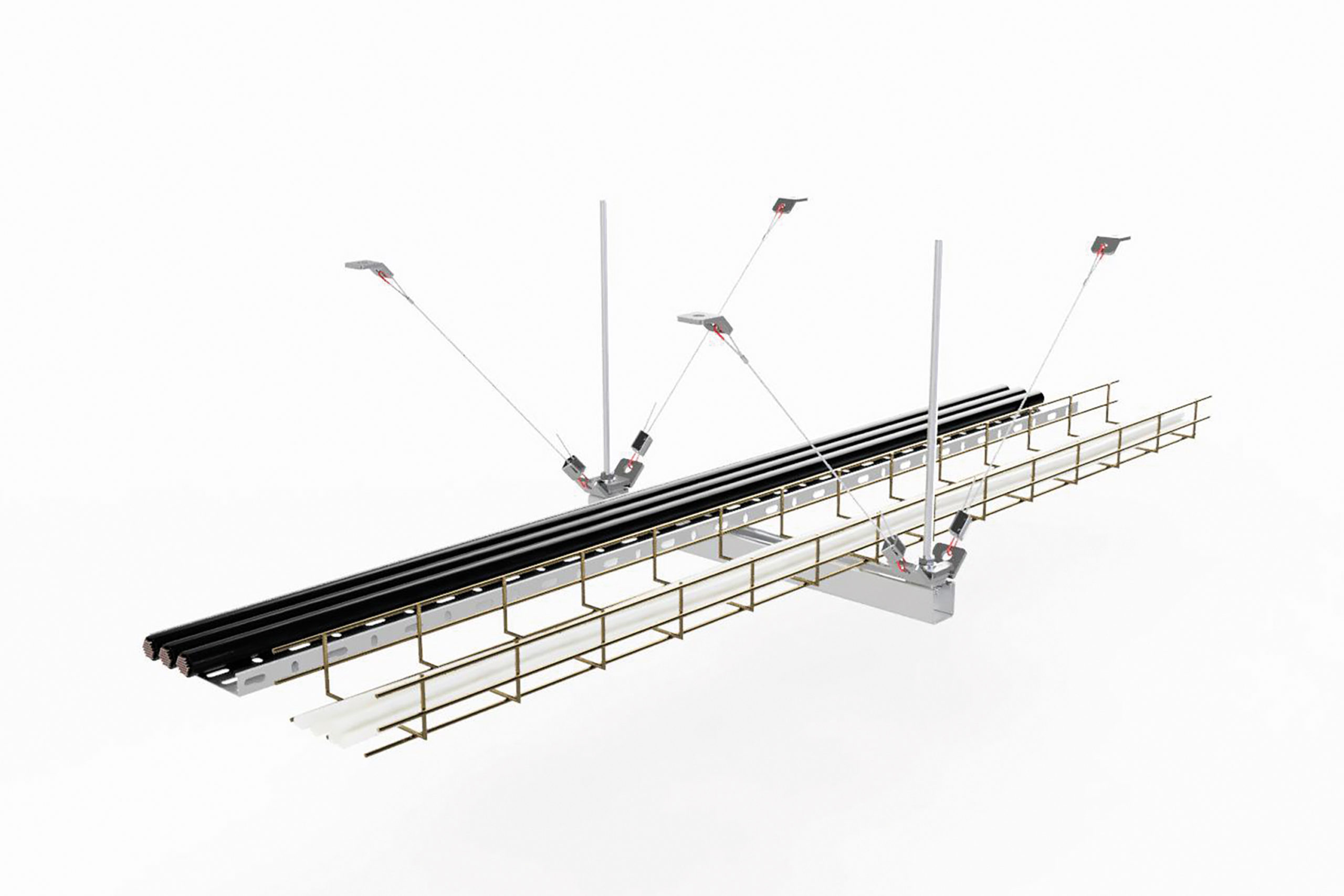
There are several types of braces used in bracing seismic, including diagonal braces, moment-resisting frames, and buckling-restrained braces. Each type of brace serves a specific purpose and is designed to work in conjunction with other structural elements to provide maximum stability and protection during an earthquake. Diagonal braces, for example, are installed at an angle to the vertical axis of a building and are used to resist lateral forces caused by seismic activity. Moment-resisting frames, on the other hand, are designed to flex and bend during an earthquake, absorbing and dissipating seismic energy to protect the building. Buckling-restrained braces are another common type of brace used in bracing seismic and are designed to prevent braces from buckling or collapsing under extreme seismic loads.
In addition to braces, other structural elements are also used in bracing seismic to enhance a building’s seismic performance. These elements may include shear walls, which are rigid vertical walls that help to distribute lateral forces, as well as base isolators, which are devices that separate a building from its foundation to reduce the transfer of seismic energy. By combining braces with other structural elements, engineers can create a comprehensive seismic design that maximizes a building’s ability to withstand seismic activity.
One of the key benefits of bracing seismic is its ability to improve the overall safety and stability of a building during an earthquake. By providing additional support and reinforcement, braces help to prevent structural failure and mitigate damage to a building’s components. This not only protects the occupants of the building but also reduces the likelihood of costly repairs and rebuilding efforts following an earthquake. Additionally, bracing seismic can also increase a building’s resilience to seismic activity, allowing it to withstand stronger earthquakes without sustaining significant damage.
In addition to enhancing a building’s seismic performance, bracing seismic can also have aesthetic benefits. Braces can be designed in a variety of styles and finishes to complement the overall look and feel of a building, adding a unique architectural element to its design. This allows engineers and architects to incorporate bracing seismic into a building’s overall aesthetic while still providing the necessary structural support and protection.
Overall, bracing seismic is a critical component of seismic design that plays a crucial role in protecting buildings and structures from the damaging effects of earthquakes. By incorporating braces and other structural elements into a building’s design, engineers can enhance its seismic performance and increase its overall safety and stability. As seismic activity continues to pose a threat to buildings around the world, bracing seismic will remain an essential tool in the fight against earthquake damage.